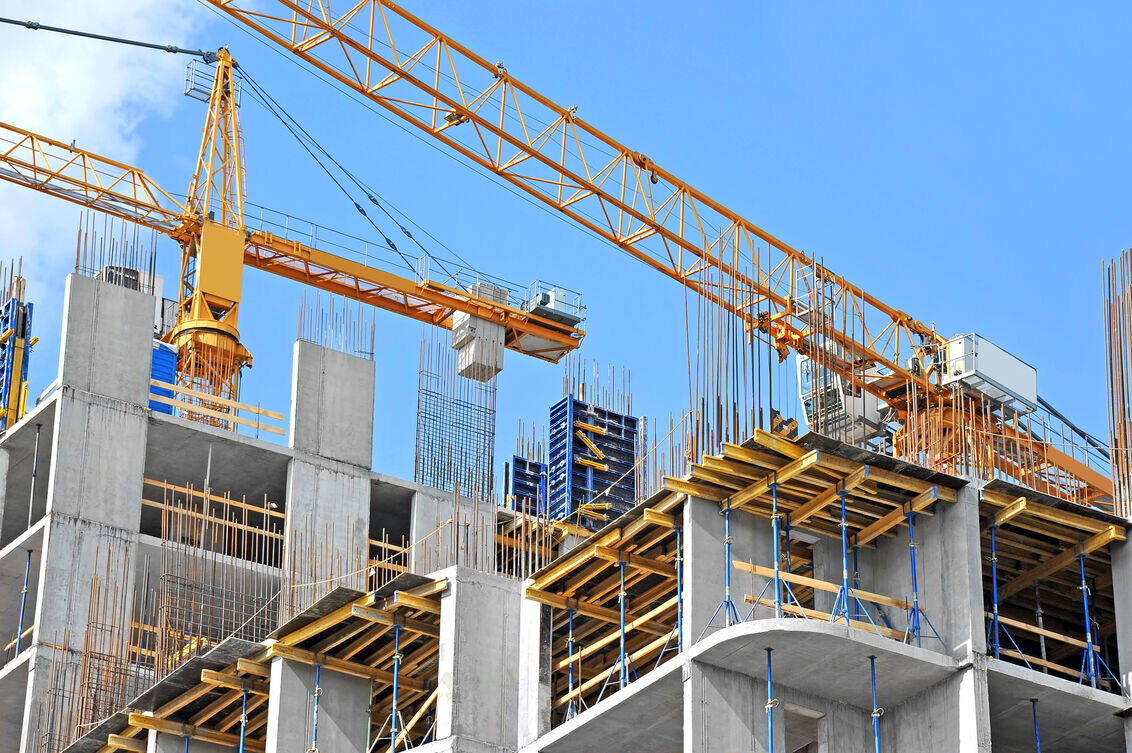
Renovation generally delivers faster, less capital-intensive ROI, while ground-up construction can deliver stronger long-term ROI when a property's location, zoning, or condition cannot support its intended use. Renovation costs typically run $40 to $300 per square foot depending on scope, compared to roughly $220 to $750 per square foot for new construction, and adaptive reuse projects can save 12 to 40 percent in total development cost while cutting 12 to 18 months off the schedule.
Ground-up construction, on the other hand, produces a fully modern building with a longer usable life and fewer near-term capital needs, which can outperform renovation over a longer holding period. The better choice depends on the existing structure's condition, the property's location, financing terms, and how quickly the owner needs the asset to generate revenue.
Apex Contracting delivers start-to-finish construction solutions for commercial and multifamily properties, from preconstruction planning to renovation, reconstruction, and new construction. Our team helps owners weigh renovation against ground-up construction based on real cost, timeline, and ROI data.
Renovation is generally less expensive per square foot than new construction, though the gap narrows significantly once a renovation scope approaches a full gut rebuild.
A cosmetic renovation and a full gut renovation can differ by a factor of three or more per square foot. Once a renovation requires extensive structural, MEP, or layout changes, the cost gap with new construction narrows considerably, which is why scope definition early in planning has such a large effect on the ROI comparison.
New construction costs depend heavily on building type and market, with industrial and warehouse space generally the least expensive to build and dense urban markets carrying the highest per-square-foot costs due to land, labor, and entitlement expenses.
Timeline is one of the most significant differences between the two approaches, and it directly affects how quickly a property can begin generating revenue.
Because renovation works within an existing structure, it generally avoids the site preparation, foundation work, and lengthy entitlement process required for new construction, allowing the property to return to service and begin generating revenue months or years sooner.
Ground-up construction typically requires a more extensive planning and permitting phase, along with sequential structural, MEP, and finish work that cannot be compressed the way a renovation scope sometimes can.
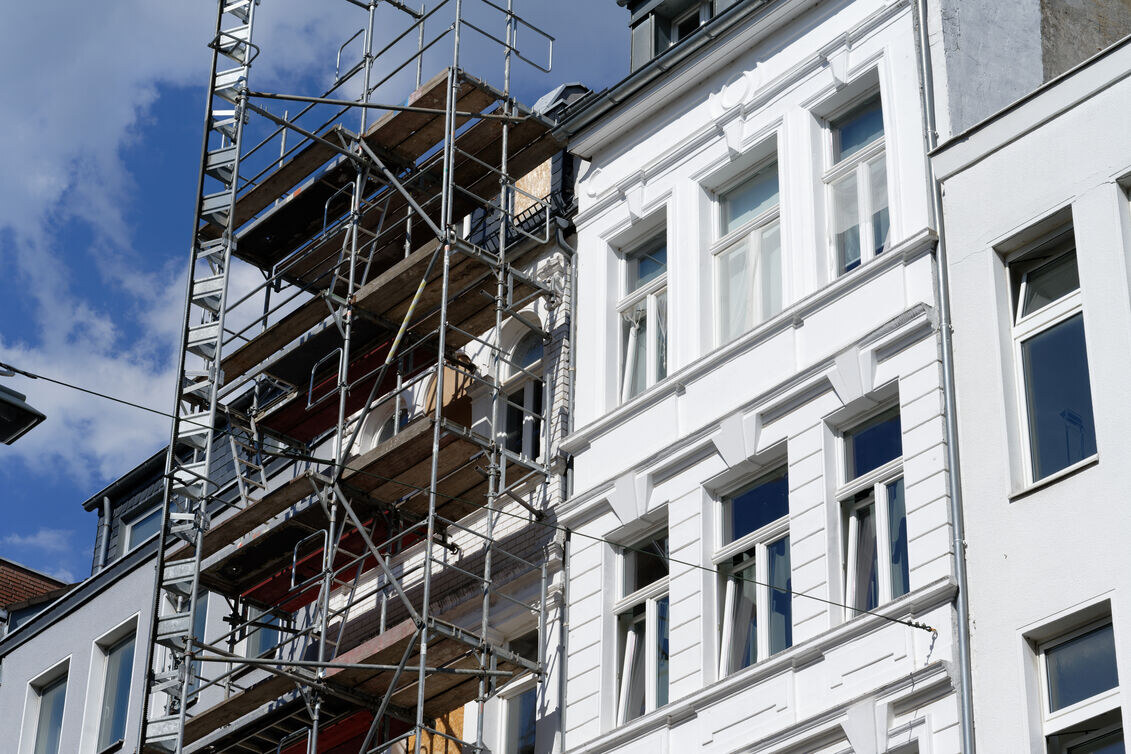
Renovation and ground-up construction tend to win on different parts of the ROI equation, which is why the better choice depends on an owner's investment horizon and goals for the property.
Faster project turnarounds mean less operational downtime and quicker revenue generation, both of which improve near-term ROI calculations. Renovation can be especially effective in prime locations where the underlying real estate is already well positioned.
New construction can produce stronger long-term returns for owners planning to hold or occupy a property for many years, since a fully modern building generally performs more efficiently and requires fewer near-term capital repairs than a renovated older structure. That advantage typically takes longer to materialize, since the higher upfront cost means more time is needed to recover the initial investment.
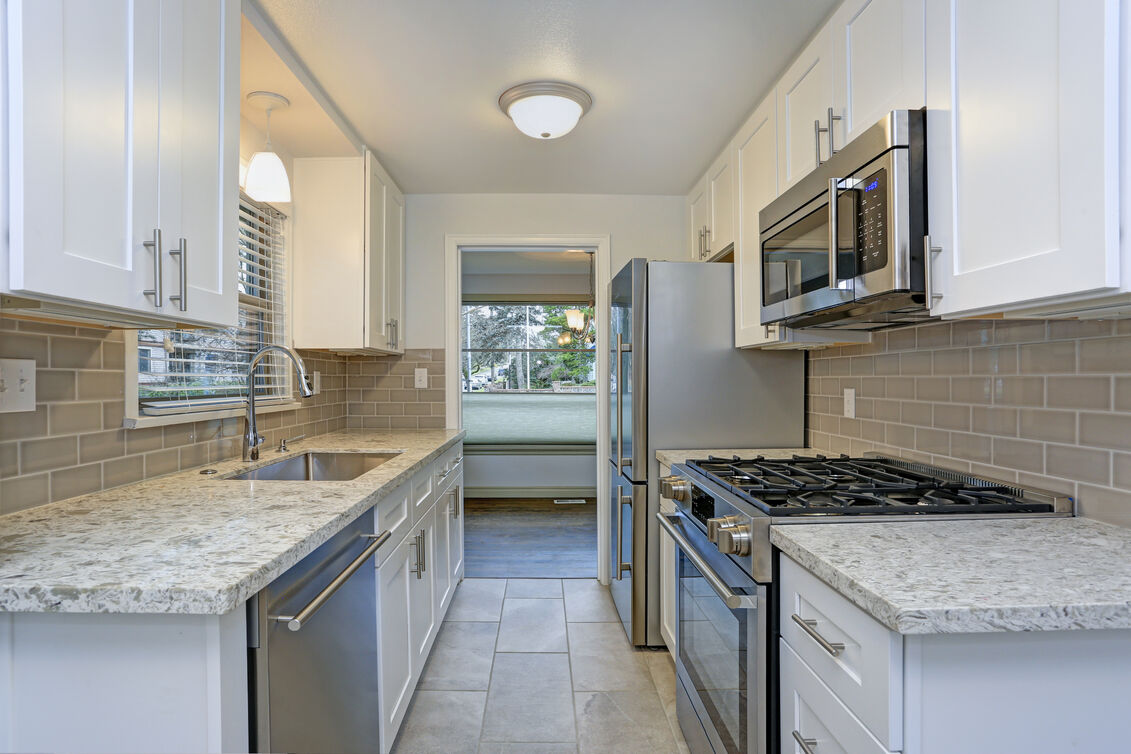
Adaptive reuse sits between a typical renovation and full ground-up construction, and it has become one of the fastest-growing segments of the commercial construction market.
Industry analysis of completed conversion projects has found average total development cost savings ranging from roughly 12 to 40 percent compared to equivalent new construction, largely because the project avoids land acquisition costs and can shorten the schedule by 12 to 18 months. Adaptive reuse has become a significant driver of several commercial renovation trends currently shaping property value.
Many cities have introduced zoning changes, streamlined approvals, and multi-year tax abatements specifically to encourage conversions of aging or underused buildings, which can further improve the ROI case for reuse over ground-up construction in eligible markets.
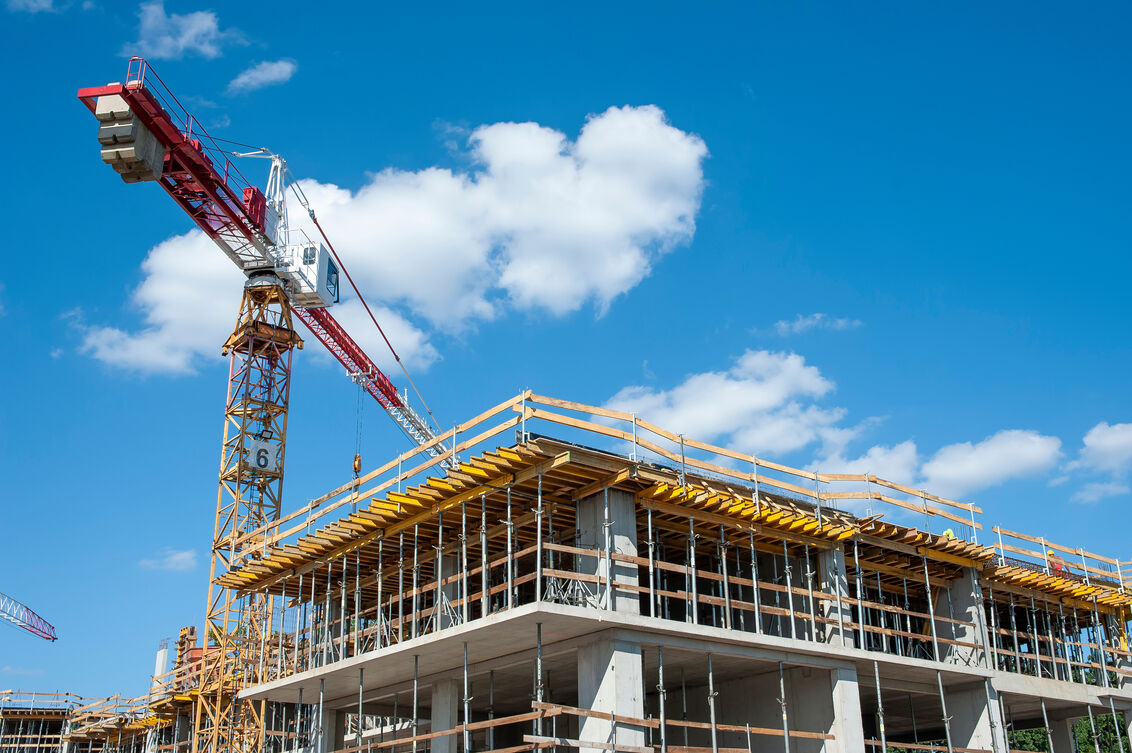
Lenders generally treat ground-up construction as a higher-risk loan category than renovation, which shows up directly in rates, down payment requirements, and draw structures.
Commercial construction loans are typically priced higher than other commercial mortgage products, with current rates commonly ranging from about 6.5 to 9 percent, and down payments of roughly 10 to 30 percent of total projected costs. These loans are usually short-term, often 12 to 18 months, with an expectation of converting to permanent financing once construction is complete.
Renovation loans generally involve smaller loan amounts, since they fund improvements to an existing structure rather than the creation of an entirely new building, which can translate into a more favorable risk profile and terms for the borrower.
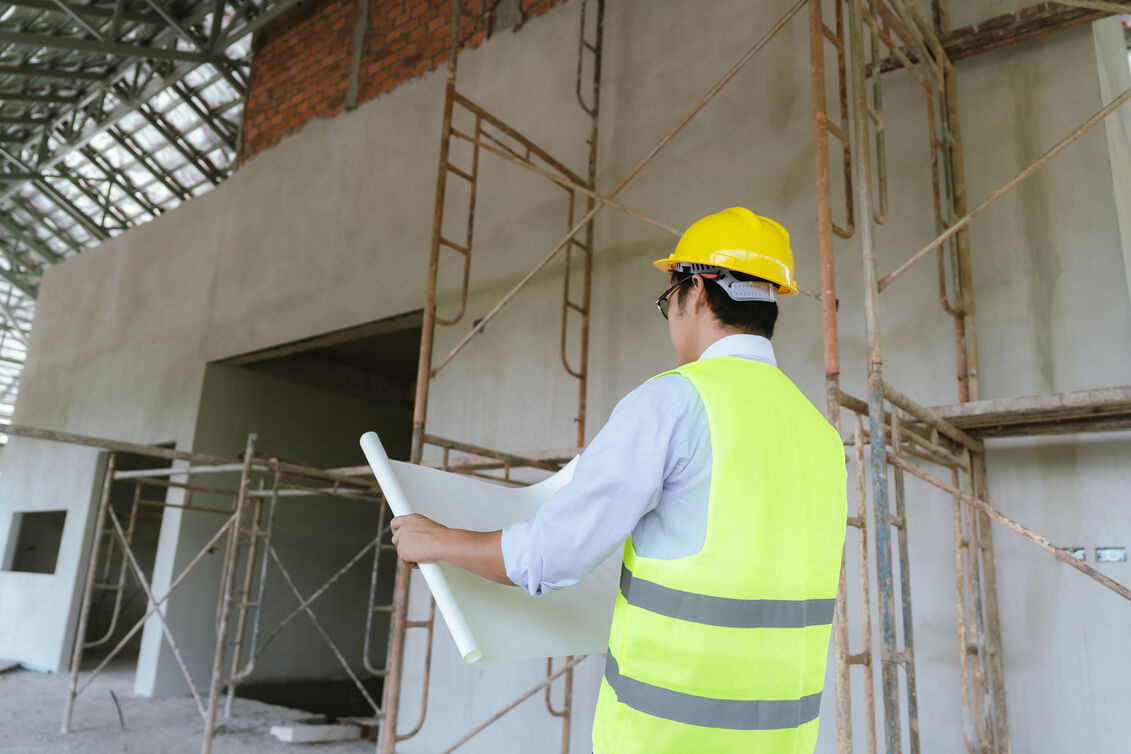
Renovation tends to be the more practical option when the existing structure, site, and zoning already support the intended use.
Limited available land, favorable existing zoning, and an established, desirable location often favor renovation, since these conditions make it difficult or impossible to pursue ground-up construction on the same site without significant additional cost or delay.
Before committing to a renovation strategy, owners should confirm that the structure, systems, and code status can support the intended scope. A capital expenditure plan built from a property condition assessment, combined with an understanding of applicable inspection requirements, helps confirm renovation is the financially sound choice before construction begins.
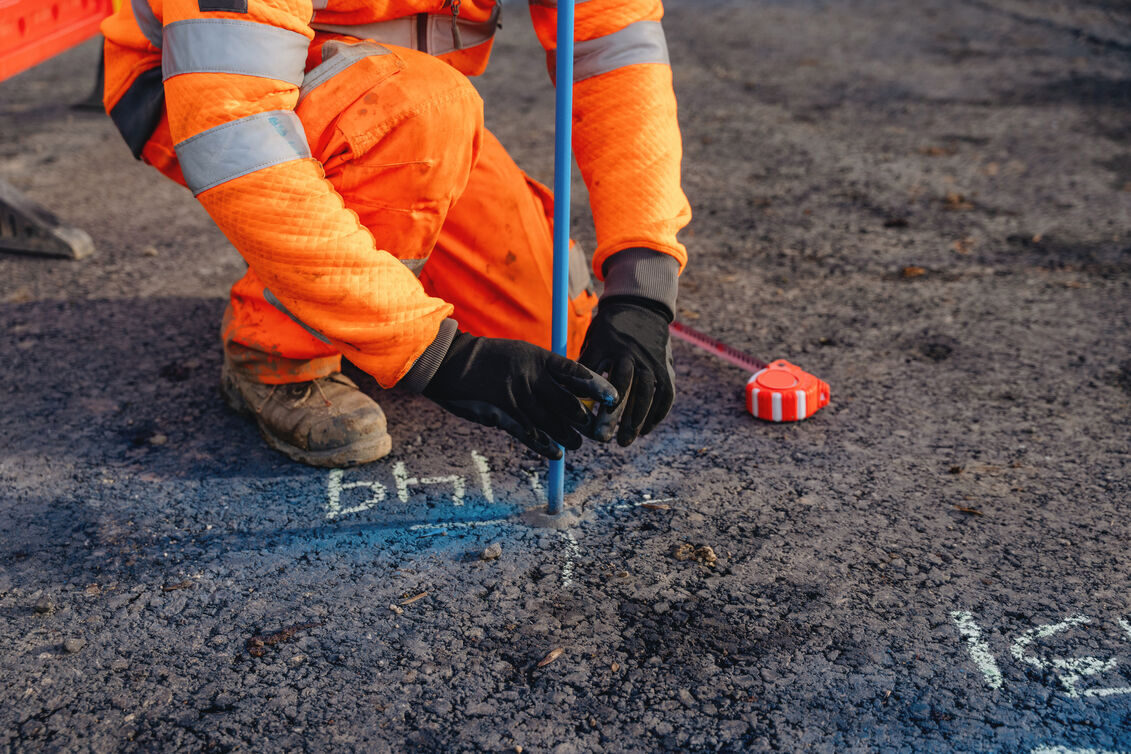
Ground-up construction becomes the stronger option when the existing structure cannot reasonably support the intended use or when a longer investment horizon justifies the higher upfront cost.
When a building's structural systems, floor-to-floor heights, or code status cannot reasonably support the intended renovation scope, the cost of working around those limitations can approach or exceed the cost of new construction, at which point ground-up development becomes the more efficient choice.
Owners planning to hold or occupy a property for an extended period, particularly in a growth market with available land, may find that a purpose-built asset generates stronger returns over time due to modern efficiency, lower near-term capital needs, and a longer effective useful life.
Most renovation-versus-new-construction decisions come down to a handful of recurring factors rather than cost alone.
Whichever path an owner chooses, structural and code-driven items should be addressed before cosmetic upgrades, and renovation decisions should generally be made proactively rather than in reaction to a failure. Our guide to the true cost of delaying a renovation breaks down why timing this decision well can be worth more than the renovation itself.
There is no universal answer to renovation versus ground-up construction. Renovation typically wins on speed, cost, and near-term ROI, while ground-up construction can outperform over a longer holding period when the site, budget, and investment horizon support it. The right choice comes down to the condition of the existing structure, the property's location and zoning, available financing, and how quickly the owner needs the asset to perform.
Apex Contracting helps property owners evaluate both paths side by side, from cost and timeline modeling to construction delivery, so the decision is based on real numbers rather than assumptions. Whether the right move is a renovation, an adaptive reuse conversion, or a ground-up build, our team can help sequence the project for the strongest possible return.
Yes, in most cases. Basic renovations typically cost $40 to $80 per square foot and full gut renovations $150 to $300 per square foot, compared to roughly $220 to $750 per square foot for new construction, though the cost gap narrows as renovation scope increases.
Renovation generally delivers a faster return because it reaches occupancy and revenue generation in a few months rather than the 18 to 30 months or more typical of ground-up construction, though new construction can outperform over a longer holding period.
Industry analysis of completed conversion projects has found average total development cost savings of roughly 12 to 40 percent compared to equivalent new construction, along with schedules that are typically 12 to 18 months shorter.
Yes. Commercial construction loans are generally priced higher, with current rates commonly ranging from about 6.5 to 9 percent and down payments of 10 to 30 percent, reflecting the higher risk lenders associate with ground-up development.
Ground-up construction tends to make more sense when a building's structural systems or code status cannot reasonably support the intended use, or when an owner plans to hold or occupy the property long enough for a purpose-built asset's efficiency and lower near-term capital needs to outweigh its higher upfront cost.
Yes. An established, already desirable location with limited available land often favors renovation, while an emerging or growth market with available land can make ground-up construction more attractive.
Yes. A property condition assessment identifies whether the existing structure and systems can reasonably support a renovation scope, which helps confirm renovation is the financially sound choice before committing to a construction plan.
Yes. Many owners use renovation for properties with sound structures in strong locations and reserve ground-up construction for sites where the existing structure cannot support the intended use or where a longer-term, purpose-built asset better fits their investment goals.