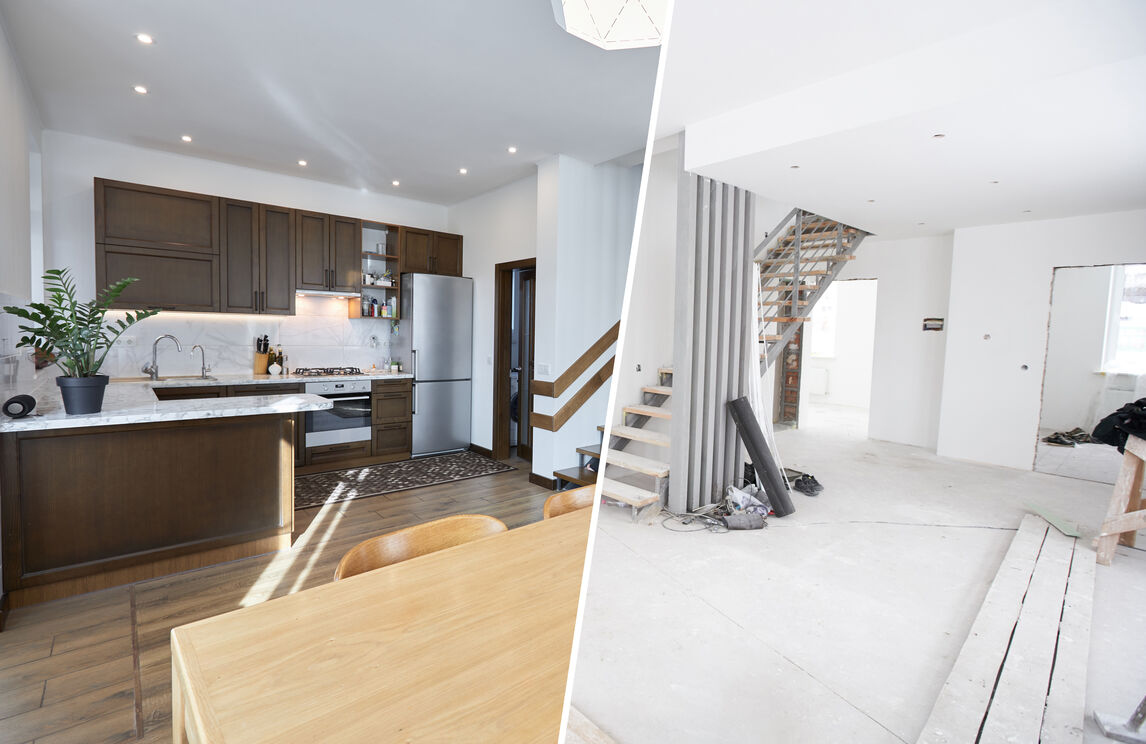
The true cost of delaying a property renovation is rarely limited to the original repair estimate. Facility management research widely cited across the industry places the deferred maintenance cost multiplier at roughly 4 to 8 times the original repair cost, with building envelope and roofing components running 15 times or higher once water intrusion and structural damage set in. When indirect costs such as emergency procurement, tenant turnover, lost revenue, and insurance impacts are included, delayed renovations can cost more than 10 times the original estimate, and deferred costs tend to compound at roughly 7 percent per year the longer a decision is postponed.
Beyond direct repair costs, delayed renovations also expose owners to construction cost escalation, lost rent during extended vacancy, higher insurance premiums, and reduced property valuations at refinance or sale. Understanding how these costs accumulate helps owners evaluate renovation timing as a financial decision rather than simply a scheduling one.
Apex Contracting delivers start-to-finish construction solutions for commercial and multifamily properties, from preconstruction planning to renovation, reconstruction, and new construction. Our team helps owners weigh the real cost of waiting against the cost of acting now.
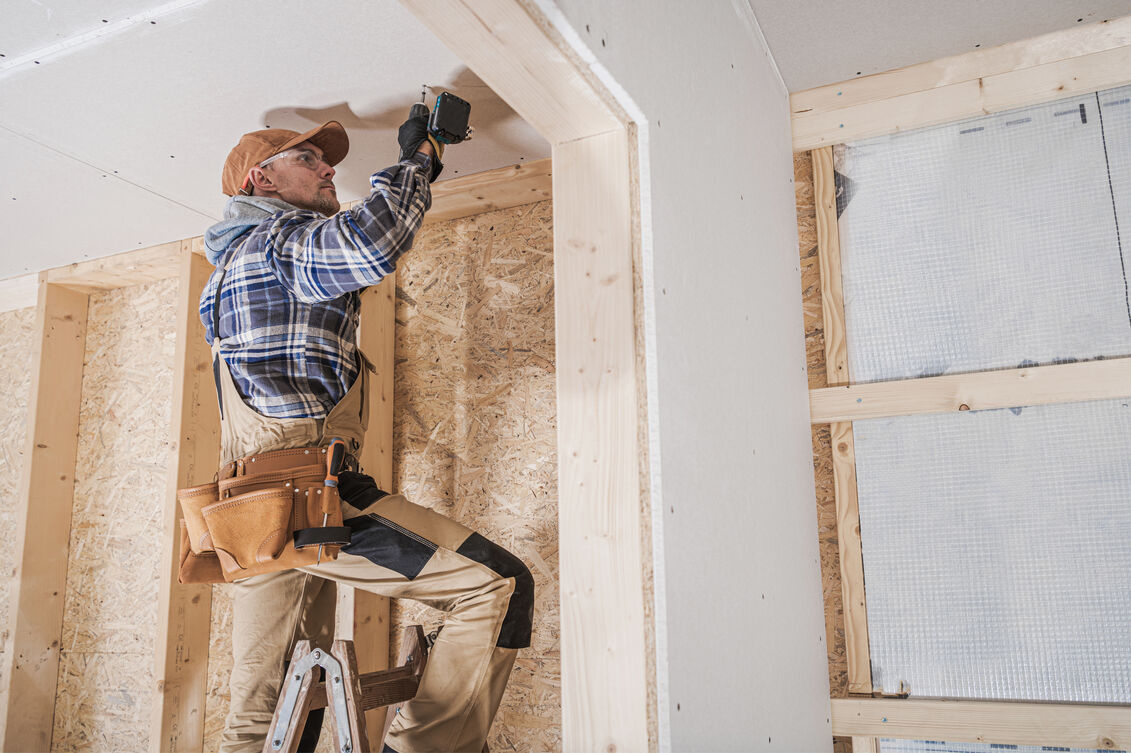
A renovation delayed rarely stays the same size or price. Small deficiencies left unaddressed tend to expand into larger, more expensive problems, and the underlying cost of labor and materials continues to rise while a decision is pending.
Facility management research from sources including the Whole Building Design Guide and APPA consistently places the deferred maintenance multiplier between 4 and 8 times the original repair cost for routine building systems that are allowed to reach failure. That multiplier reflects accelerated asset replacement, emergency labor rates, and the operational disruption caused by an unplanned failure rather than a scheduled repair.
Deferred maintenance costs are often described as compounding at roughly 7 percent per year, meaning the financial impact of delay grows the longer a renovation is put off. The table below illustrates how a single $100,000 repair estimate can grow under that compounding assumption.
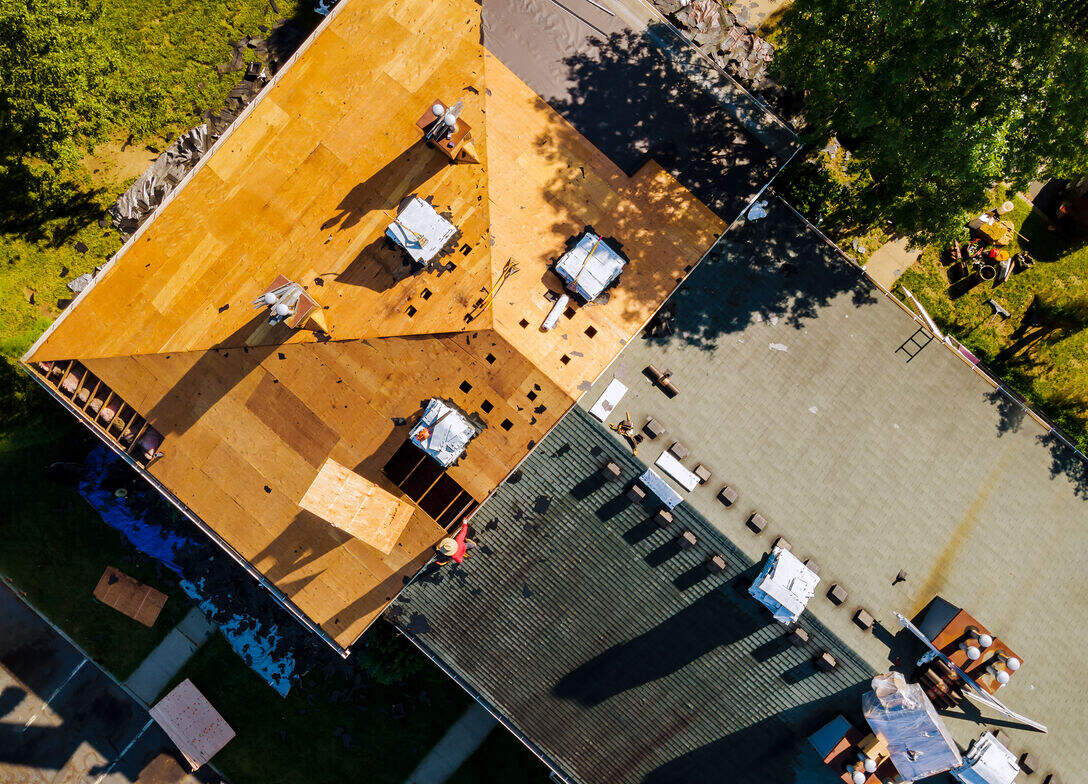
Not every building system carries the same risk when maintenance is delayed. Systems that protect the building envelope tend to cause the most expensive cascading damage, while mechanical systems more commonly move toward full replacement rather than repair.
A small roof leak addressed early is typically a contained repair. The same leak left unaddressed can damage insulation, framing, drywall, flooring, and finishes across multiple floors or units, which is why envelope and roofing components tend to carry the highest deferred maintenance multiplier of any building system.
Emergency procurement, expedited shipping, overtime labor, tenant relocation, and downtime are rarely included in an initial repair estimate, but they frequently make up the largest share of the total cost once a deferred system actually fails.
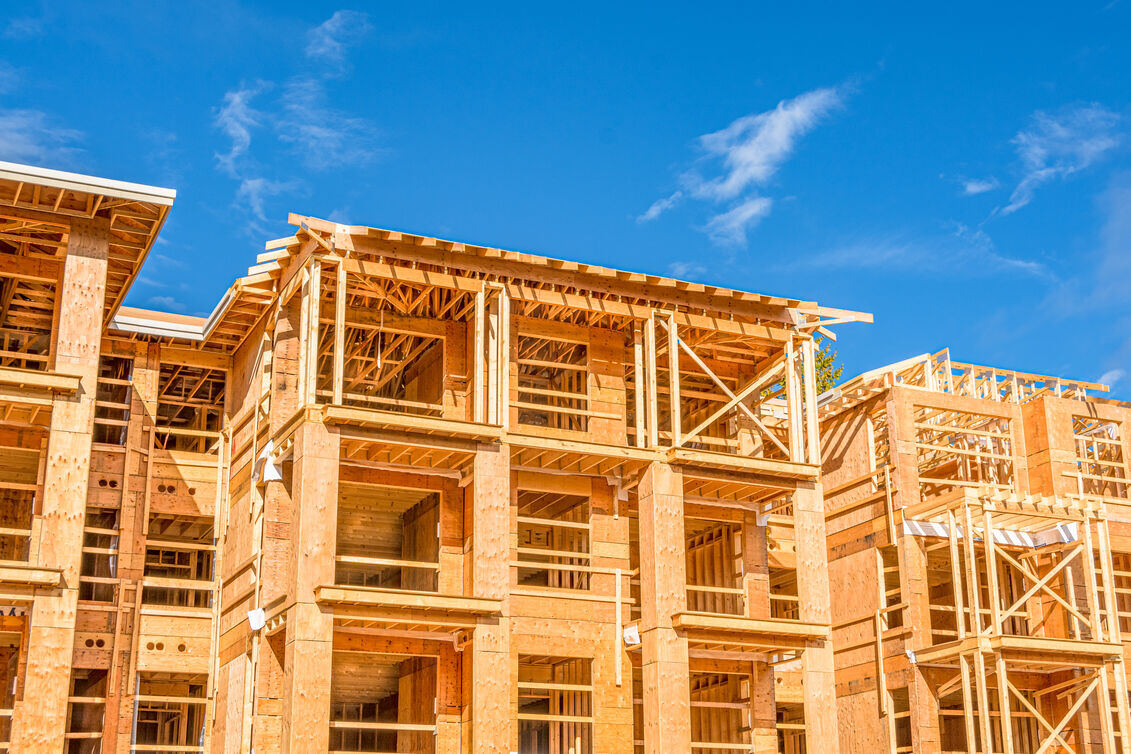
Even setting aside the risk of failure, waiting to renovate exposes owners to broader construction market conditions that have made the same scope of work more expensive over time.
Construction material costs climbed by roughly 40 percent between early 2021 and early 2026. On a large-scale project, cost escalation on uncommitted scope alone can add hundreds of thousands of dollars to a project that was delayed only a year or two, independent of any additional damage caused by the delay itself.
Property taxes, insurance, and site maintenance continue to accrue while an owner deliberates on a renovation decision. On larger projects, these holding costs can add hundreds of thousands of dollars over an extended delay, on top of any construction cost escalation.
Beyond construction costs, delaying a renovation can directly reduce the revenue a property generates by extending vacancy, accelerating tenant turnover, and softening a property's competitive position.
Losing a commercial tenant costs owners an average of roughly $32,000 per turnover once lost rent and re-leasing expenses are factored in, and replacing a tenant can cost about three times more than retaining one. Properties that fall behind market expectations on condition and amenities are more likely to see tenants choose not to renew.
Owners who wait until a lender, franchisor, or regulator forces renovation through a formal improvement plan often face compressed timelines, limited contractor availability, and higher costs than owners who renovated on their own schedule. Renovating proactively generally preserves more control over budget, sequencing, and contractor selection.
Insurance carriers increasingly treat visible deferred maintenance as a measurable underwriting risk rather than a cosmetic issue.
Carriers are reviewing roof condition, electrical systems, facades, and life-safety components more closely than in the past, and properties with visible deferred maintenance can face higher premiums, coverage exclusions, or non-renewal.
If an insurer determines that deferred maintenance caused or contributed to a loss, portions of a claim can be reduced or denied under policy exclusions. Maintaining documentation of ongoing maintenance and planned capital improvements can support more stable premiums and stronger claims outcomes.

Aging building systems do not just risk failure. They also tend to operate less efficiently for every month they remain in service past their intended useful life.
Modernizing mechanical, electrical, and plumbing systems can reduce energy costs by up to 30 percent compared to aging original equipment, and LED lighting retrofits typically use at least 75 percent less energy than the lighting they replace. Every year a renovation is delayed is a year those savings go uncaptured.
Because energy and maintenance savings accrue every month a system is in place, renovating earlier allows those savings to compound over a longer period, similar to how deferred costs compound in the opposite direction.
Deferred maintenance does not only affect operating costs. It can also directly reduce what a property is worth and how much financing it can support.
Lenders and investors evaluating a property closely review the findings of a property condition assessment, and visible deferred maintenance is one of the most common reasons a commercial deal is repriced, delayed, or terminated during due diligence.
Maintaining a funded, up-to-date capital expenditure plan gives owners a way to address major systems on a predictable schedule rather than reacting to a lender's or insurer's findings after the fact.
When repair costs, escalation, lost revenue, insurance impact, and energy waste are considered together, proactive renovation consistently outperforms a reactive, delayed approach on a total cost basis.
Owners who plan renovations on their own timeline generally have more contractor options, more competitive pricing, and more flexibility on material selection than owners forced into an accelerated timeline by a failure, a lender requirement, or a franchise improvement plan.
Renovations completed on a planned schedule can also be aligned with the value-add renovation trends that support higher rents and stronger tenant retention, rather than simply restoring a property to its prior condition after a failure.
Avoiding the cost of delay generally comes down to identifying deferred risk early and funding a plan to address it before it becomes an emergency.
A property condition assessment estimates the remaining useful life and replacement cost of major systems, which helps owners prioritize the items most likely to escalate in cost, including those tied to the inspection and code requirements that apply once a project reaches the scope of a large-scale renovation.
Pairing that assessment with a funded, rolling capital expenditure schedule allows owners to address systems on their own timeline, at their own pricing, rather than waiting for a failure, an insurer, or a lender to force the decision.
Delaying a property renovation rarely saves money once repair cost multipliers, construction escalation, lost revenue, insurance risk, and energy waste are added together. A repair that costs $100,000 today can effectively cost twice that within a decade, and that estimate does not include the tenant turnover, financing, or insurance consequences that often accompany visible deferred maintenance.
Apex Contracting helps property owners and managers evaluate deferred maintenance risk, sequence renovation projects around budget and code requirements, and deliver construction with attention to quality control, scheduling, and tenant coordination. If you're weighing whether to renovate now or wait, Apex can help you quantify the real cost of delay and build a construction plan that fits your budget and timeline.
Deferred maintenance typically costs 4 to 8 times more than a proactive repair for most building systems, and 15 times or more for building envelope and roofing components once water intrusion and structural damage occur.
Yes. Construction material costs rose by roughly 40 percent between early 2021 and early 2026, meaning the same renovation scope generally costs more the longer it is delayed, independent of any additional damage caused by the delay.
Yes. Insurers increasingly treat visible deferred maintenance as a measurable risk factor and may charge higher premiums, apply coverage exclusions, or decline to renew a policy for a property with unaddressed maintenance issues.
Deferred maintenance is one of the most common reasons a commercial property is repriced, delayed, or dropped during a sale or refinance, since lenders and investors rely heavily on property condition assessment findings during due diligence.
Losing a commercial tenant costs owners an average of roughly $32,000 per turnover once lost rent and re-leasing expenses are included, and replacing a tenant can cost about three times more than retaining one.
Yes. Modernizing mechanical, electrical, and plumbing systems can reduce energy costs by up to 30 percent, meaning aging systems continue to waste money on utilities for every month a renovation is delayed.
Proactive renovation is generally less expensive because it preserves more control over contractor selection, material pricing, and scheduling, while waiting for a lender, insurer, or franchisor to force the decision often compresses timelines and raises costs.
A property condition assessment is typically the first step, since it identifies which systems are approaching the end of their useful life and helps owners fund a capital plan before those systems fail.